

Thinking about an African safari? It's a trip that can change your perspective, seeing animals in their natural homes is something else. But with so many amazing places to pick from, figuring out the best place for safari in Africa can feel a bit overwhelming. Don't worry, though. We've put together a guide to help you find your perfect adventure, whether you're after the big migrations or quiet moments with incredible creatures.
Key Takeaways
- Africa offers a huge variety of safari experiences, from the famous Great Migration in East Africa to the unique water safaris in Botswana.
- When planning, think about what you want to see and do – this will help you pick the right country and region.
- The time of year you travel really matters, as it affects animal behaviour and the landscape you'll experience.
- Accommodation ranges from basic camps to super-luxury lodges, so consider your budget and comfort level.
- Remember to choose operators and lodges that care about the animals and their homes for a responsible trip.
Discover Your Perfect African Safari Adventure
Africa. Just the name conjures up images of vast plains, incredible wildlife, and adventures that stay with you forever. It’s a continent that truly calls to the explorer in all of us, offering a chance to see animals in their natural homes, something quite special. But with so many amazing places to choose from, figuring out where to go for your first, or even your tenth, safari can feel a bit overwhelming. Don't worry, though, we're here to help you sort it all out.
Why Africa is the Ultimate Safari Destination
Africa is, without a doubt, the place to go if you want a proper wildlife experience. Think about it: you've got the iconic Big Five – lions, leopards, elephants, rhinos, and buffalo – roaming freely. Then there's the sheer spectacle of the Great Migration, where millions of wildebeest and zebras thunder across the plains of the Maasai Mara and Serengeti. It’s a natural event that’s hard to comprehend until you see it with your own eyes. Beyond the big names, the continent is bursting with diverse ecosystems, from dense forests to sweeping deserts, each supporting its own unique array of creatures. It’s this raw, untamed beauty and the sheer abundance of wildlife that makes Africa unparalleled for a safari.
Tailoring Your Safari Experience
Your safari should be as unique as you are. Are you looking for a thrilling adventure, a relaxing escape, or a family-friendly journey? The good news is, Africa caters to everyone. For those seeking a bit more comfort and ease, places like South Africa offer well-established parks and a range of lodges that make for a great introduction. If you're after something more rugged and off-the-beaten-path, consider the Okavango Delta in Botswana, where you can explore by mokoro (a traditional canoe). Or perhaps you dream of seeing gorillas? Rwanda's lush jungles offer an unforgettable primate encounter. The key is to think about what you want to get out of your trip before you start looking at destinations.
Here’s a quick look at what different regions might offer:
- East Africa: Famous for the Great Migration, gorillas, and vast savannahs. Think Kenya and Tanzania.
- Southern Africa: Offers diverse landscapes, from deserts to deltas, and is often a good starting point for first-time visitors. Consider South Africa, Botswana, or Namibia.
- Central Africa: Home to rainforests and unique primate species, including gorillas and chimpanzees.
Planning Your Unforgettable Journey
Getting ready for an African safari involves a bit more than just booking a flight. It’s about making sure you have the right information to make the most of your adventure. You’ll want to think about when to go, as different seasons bring different wildlife viewing opportunities. Choosing where to stay is also a big part of it; your lodge or camp is often your base for game drives and a place to relax after a day of exploring. We’ll go into more detail on these points later, but for now, just know that a little bit of planning goes a long way. For instance, if you're considering a trip to Kruger National Park, looking into lodges like Rhino Post Safari Lodge can give you an idea of the kind of accommodation available.
Remember, a safari is more than just ticking off animals on a list. It's about immersing yourself in nature, respecting the environment, and creating memories that will last a lifetime. Take your time, do your research, and get ready for an experience like no other.
East Africa's Iconic Wildlife Spectacles
When you think of an African safari, chances are East Africa is the first place that springs to mind. And for good reason! This region is practically bursting with incredible wildlife and landscapes that will leave you speechless. Let's take a look at some of the absolute must-see spots.
Imagine vast, golden plains stretching as far as the eye can see, dotted with acacia trees and teeming with wildlife. That's the Maasai Mara in Kenya for you. It's probably most famous for the Great Migration, a truly mind-blowing natural event where millions of wildebeest, zebras, and gazelles make their way across the plains in search of greener pastures. Witnessing this incredible spectacle is a bucket-list experience for many. The Mara River crossings, in particular, are dramatic and thrilling, though you'll need to time your visit right – usually between August and October for the main crossings.
But even outside of migration season, the Maasai Mara is a wildlife haven. You've got a fantastic chance of spotting the Big Five here – lions, leopards, elephants, rhinos, and buffalo. The conservancies bordering the main reserve offer a slightly more exclusive experience with fewer vehicles, which can make for even better viewing.
When to Visit the Maasai Mara:
- July – October: Prime time for the Great Migration, especially the dramatic river crossings.
- November – June: Still excellent for general game viewing, with lush landscapes after the rains and fewer crowds.
Just south of the Maasai Mara lies Tanzania, home to the Serengeti National Park. If the Mara is the stage, the Serengeti is the grand theatre. It's here that the Great Migration spends a significant portion of the year, and the sheer scale of it is hard to comprehend. You can witness the wildebeest calving season between late January and early February, often near the Ngorongoro Crater, where thousands of new calves are born each day. It's a time of intense activity, with predators lurking nearby.
The Serengeti offers a different feel to the Mara, with vast, sweeping plains and dramatic volcanic craters like the Ngorongoro Crater itself, which is a UNESCO World Heritage Site and incredibly dense with wildlife. You can often combine a safari here with a climb up Mount Kilimanjaro, Africa's highest peak, for a truly epic adventure.
Tanzania's Wildlife Highlights:
- Serengeti National Park: The heart of the Great Migration, offering endless plains and incredible predator sightings.
- Ngorongoro Crater: A natural wonder with a high concentration of animals, including the Big Five.
- Tarangire National Park: Known for its large elephant herds and baobab trees.
Tanzania provides a safari experience that feels both vast and intimate. You can be driving through seemingly empty plains one moment and then stumble upon a pride of lions or a herd of elephants the next. It's this sense of discovery that makes it so special.
For a truly unique and moving wildlife encounter, you can't beat gorilla trekking in Rwanda. Volcanoes National Park is one of the best places in the world to see endangered mountain gorillas in their natural habitat. It's a challenging but incredibly rewarding experience, involving a hike through dense, misty rainforests. The moment you come face-to-face with a gorilla family is unforgettable.
Beyond the gorillas, Rwanda offers other primate encounters, like chimpanzee trekking in Nyungwe Forest National Park, and you can even find classic safari animals like elephants and zebras in Akagera National Park. It's a country that has made remarkable strides in conservation, and your visit directly supports these efforts.
Gorilla Trekking Essentials:
- Permits: Book your gorilla trekking permit well in advance, as numbers are limited.
- Fitness: Be prepared for a hike, which can be strenuous depending on the gorillas' location.
- Respect: Follow your guide's instructions carefully to ensure the safety of both you and the gorillas.
Southern Africa's Diverse Safari Landscapes
Southern Africa really does offer a bit of everything when it comes to safari. You've got vast deserts, incredible waterways, and some of the most famous game reserves on the continent. It’s a region that caters to all sorts of travellers, from those seeking pure luxury to the more adventurous souls.
South Africa: A Gateway to Wildlife Wonders
South Africa is often the first place people think of for a safari, and for good reason. It’s incredibly accessible, with great infrastructure, making it a doddle to get around. You can easily combine a trip to the city with a bush adventure. Think about the Kruger National Park – it’s a massive place, and honestly, it’s one of the best spots in Africa to try and spot a leopard. They’re notoriously shy, but Kruger seems to have a good population. Many reserves here, like Sabi Sands, share borders with Kruger, meaning you get some seriously good game viewing. You might even see the Big 5 – that’s lion, leopard, elephant, rhino, and buffalo – and plenty of other animals too.
- Big 5 sightings: Kruger and Sabi Sands are top-tier.
- Variety of landscapes: From savanna to the unique desert feel of the Kalahari.
- Accessibility: Easy to travel around, with options for self-drive.
- Malaria-free options: Some reserves, like those in the Eastern Cape, offer this.
South Africa is a fantastic starting point for anyone new to safaris. The combination of excellent wildlife viewing, comfortable accommodation, and ease of travel makes it a really appealing choice. Plus, you can often combine it with other amazing experiences, like visiting Cape Town or exploring the Garden Route.
If you're looking for a truly immersive experience in the Kruger area, consider staying at a place like Honeyguide Tented Safari Camp. They offer game drives and walks that get you right into the heart of the bush. For something a bit more rustic but still comfortable, Shindzela Tented Safari Camp provides a lovely canvas tent experience with private decks, also near Kruger.
Botswana's Okavango Delta and Waterways
Now, Botswana is a bit different. It’s all about the water, especially the Okavango Delta. Imagine gliding through channels in a mokoro, a traditional dugout canoe, with hippos nearby and birds flitting overhead. It’s incredibly peaceful and a totally different way to see wildlife compared to a bumpy jeep ride. Chobe National Park is another highlight, famous for its enormous elephant herds. You can even take boat safaris here, which is pretty special. Botswana feels wilder, more untouched, and it’s a great place if you’re after a bit more adventure, maybe a mobile safari that takes you to remote areas.
- Okavango Delta: Unique water-based safaris by mokoro.
- Chobe National Park: Famous for massive elephant populations.
- Moremi Game Reserve: Offers a mix of land and water experiences.
- Predator sightings: Areas like Mombo Concession are known for lions and wild dogs.
Namibia's Desert Wildlife Encounters
Namibia is just stunningly dramatic. Think huge sand dunes, the eerie Skeleton Coast, and wildlife that’s adapted to survive in the desert. Etosha National Park is a must-visit. It has a massive salt pan, and around the waterholes, you get incredible concentrations of animals, especially during the dry season. It’s amazing to see how life thrives in such an arid environment. You might see desert-adapted elephants or rhinos. It’s a photographer’s dream, with those stark landscapes and unique light. It’s a place that feels ancient and raw, offering a very different kind of safari experience compared to the lush savannas elsewhere.
Choosing the Best Time for Your Safari
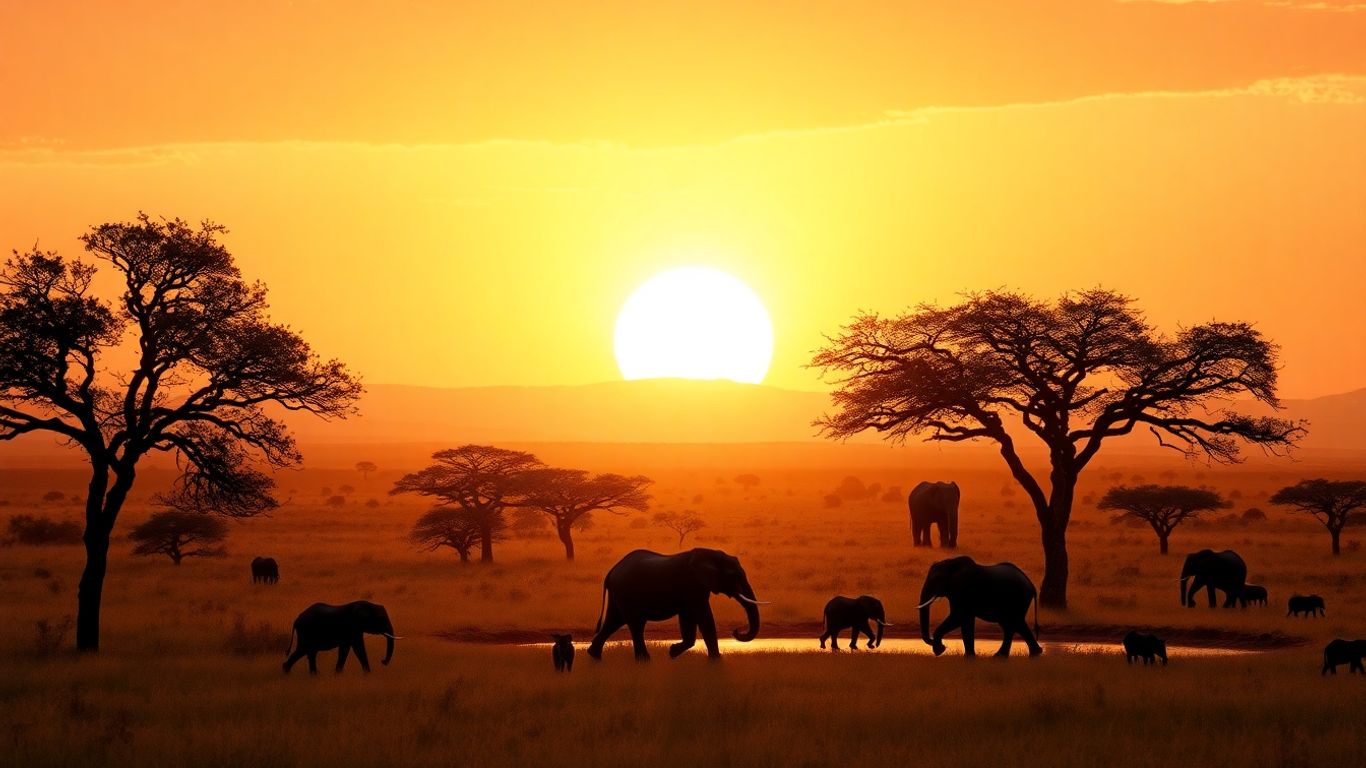
So, you're planning a safari adventure – brilliant! One of the biggest questions you'll probably be asking yourself is ‘when is the best time to go?'. Honestly, there's no single right answer because Africa is a massive continent with wildly different climates and wildlife behaviours depending on where you are and what time of year it is. But don't worry, we'll help you figure it out.
Navigating the Dry Season
The dry season, generally running from around June to October, is often considered prime time for many safari-goers. Why? Well, the weather tends to be cooler and less humid, which is a relief when you're out on game drives. More importantly, with less water around, animals tend to congregate at the remaining waterholes. This makes spotting them a whole lot easier, as you're not searching vast, dry landscapes. Think of it as nature's way of bringing the wildlife to you!
- Easier wildlife viewing: Animals are drawn to limited water sources.
- Pleasant weather: Cooler temperatures and lower humidity.
- Thinner vegetation: Less dense bush means better visibility.
Embracing the Green Season
Then there's the green season, typically from November to April. This is when the rains return, transforming the landscape into lush, vibrant scenery. While it might mean more challenging driving conditions in some areas and thicker vegetation, it's a fantastic time for birdwatchers and photographers. You'll often see newborn animals, and the dramatic skies can make for some stunning shots. Plus, it's usually less crowded and can be more budget-friendly.
- Newborn wildlife: A great time to see young animals.
- Beautiful landscapes: Lush greenery and dramatic skies.
- Birdwatching paradise: Many migratory birds are present.
Seasonal Highlights by Region
To really nail down your timing, it helps to think about specific regions:
- East Africa (Kenya & Tanzania): For the iconic Great Migration in the Maasai Mara and Serengeti, aim for July to October. This is when the herds are typically crossing rivers. For gorilla trekking in Rwanda, the dry months (June to September and December to February) are often preferred for easier trekking.
- Southern Africa (South Africa, Botswana, Namibia): The dry season (May to October) is excellent for spotting game in places like Kruger National Park and the Okavango Delta. Namibia's desert wildlife is also more visible as water becomes scarce during its dry winter months (June to October).
The sheer size of Africa means that while one region might be experiencing its rainy season, another could be in the midst of its dry spell. This diversity is actually a good thing, as it means you can plan a safari trip for almost any time of the year and still have an incredible experience.
Finding Your Ideal Safari Accommodation
Choosing where you'll rest your head after a day of wildlife spotting is a big part of your safari adventure. It's not just a place to sleep; your accommodation often becomes the heart of your experience, providing meals, guiding your game drives, and immersing you in the African landscape. Think about what kind of vibe you're after – do you want to be pampered in luxury, or are you looking for something a bit more rustic and close to nature?
Luxury Lodges and Exclusive Camps
If you're dreaming of opulence and top-notch service, Africa has some truly spectacular options. These places often sit in prime wildlife areas, giving you incredible access to game viewing. Imagine waking up to the sounds of the bush, enjoying gourmet meals, and relaxing by a private plunge pool with views of the savanna. Many of these lodges offer private game drives with expert guides, ensuring you get the most out of your wildlife encounters. For a truly special experience, consider some of the high-end options available in places like Namibia, where you can find luxury hotels that blend seamlessly with the dramatic desert scenery.
Unique Stays and Glamping Experiences
For those who want to be closer to the wild without sacrificing comfort, glamping is the way to go. Think spacious tents with proper beds, en-suite bathrooms, and often, fantastic dining. It’s a brilliant way to feel connected to the environment while still having those creature comforts. Tanzania, for instance, has a growing number of glamping sites that offer a unique way to experience the country's famous landscapes, from the plains of the Serengeti to the foothills of Kilimanjaro. You might find yourself sleeping under a canopy of stars, with only a canvas wall between you and the sounds of the African night.
Ethical Considerations for Lodges
When you're choosing your accommodation, it's worth thinking about the impact it has on the local environment and communities. Look for lodges that are committed to conservation, employ local staff, and support community projects. Responsible tourism means your stay can directly benefit the places you visit. Many places are now very transparent about their sustainability efforts, so do a little digging. It's about finding a place that not only gives you an amazing safari but also contributes positively to the future of Africa's wildlife and people.
Safari Experiences for Every Traveller
Africa's wild heart beats for everyone, no matter your travel style. Whether you're looking for a gentle introduction to the wonders of the wild or a full-on adventure, there's a safari experience waiting for you. It's not just about spotting animals; it's about immersing yourself in incredible landscapes and creating memories that stick.
Family-Friendly Adventures
Planning a safari with the kids in tow can seem like a big task, but it's incredibly rewarding. Many places in Africa are set up specifically for families, offering activities that are both fun and educational. Think about lodges with dedicated kids' programmes, shorter game drives suitable for younger attention spans, and even swimming pools where everyone can cool off after a day of exploring. South Africa, for instance, is often recommended as a great starting point. Parks like Kruger National Park and the Sabi Sands Reserve are known for their diverse wildlife and have camps that cater well to families, making it easier to see animals like elephants, zebras, and giraffes without too much fuss. It’s a chance for the whole family to connect with nature and each other.
Thrills for the Adventurous Soul
If your idea of a good time involves a bit more adrenaline, Africa has you covered. For the truly adventurous, consider experiences like walking safaris. Imagine trekking through the bush with an experienced guide, learning about tracking animals on foot and getting a much closer, more intimate feel for the environment. Places like the Luangwa Valley in Zambia are famous for this. Or perhaps a canoe safari on the Okavango Delta in Botswana? Gliding silently through the waterways, you might spot hippos, crocodiles, and a huge variety of birds. These kinds of safaris get you right into the heart of the action, offering a different perspective than a typical vehicle-based drive. It’s about pushing your boundaries a little and experiencing the wild in a more raw way.
Exclusive Escapes for Discerning Guests
For those seeking a more refined and private safari, there are plenty of options that offer luxury and exclusivity. Think about staying in a high-end lodge with top-notch service, gourmet food, and private game drives. Some lodges even offer unique experiences like hot air balloon safaris at sunrise, providing breathtaking aerial views of the landscape and wildlife. These kinds of trips are perfect for celebrating a special occasion or simply indulging in the finer things while still being surrounded by nature. You can expect attention to detail, comfortable accommodations, and a truly personalised experience. Many of these exclusive camps are located in private concessions, meaning you often have the wildlife viewing areas almost to yourself, which is a real treat. It’s about experiencing the magic of Africa in comfort and style, perhaps at a place like Foot on Africa Lodge.
Remember, the best safari is the one that fits you. Don't be afraid to look for experiences that match your energy levels and interests. Africa is vast and varied, and there's a perfect adventure waiting for every kind of traveller.
Ready for Your African Adventure?
So, there you have it! Africa is just bursting with incredible places to see wildlife. Whether you're after the big herds, a quiet moment with a leopard, or just want to see something totally new, there's a spot waiting for you. We've looked at some of the top places, from the famous parks in South Africa and Tanzania to the unique watery landscapes of Botswana. It can feel like a lot to sort through, but remember, the most important thing is to pick a place that excites you. Think about what you really want to see and experience, and then go for it. Your African safari is out there, just waiting for you to discover it. Happy travels!
Frequently Asked Questions
What's the best time of year to go on an African safari?
The best time really depends on where you're heading and what you want to see! Generally, the dry season, from around June to October, is fantastic because animals tend to gather near water sources, making them easier to spot. However, the wet season can be amazing too, especially if you want to witness animal migrations and see lush landscapes. Different regions have their own peak times, so it's worth checking for your specific destination.
Which African country is best for a first-time safari?
For your first safari adventure, South Africa is often recommended. It has well-known parks like Kruger National Park, which are great for spotting the Big Five and offer a good introduction to wildlife viewing. Many lodges there are very family-friendly and experienced in welcoming newcomers to the safari experience.
What's the difference between East Africa and Southern Africa for safaris?
East Africa, places like Kenya and Tanzania, is famous for massive events like the Great Migration and iconic landscapes like the Serengeti. It's also where you can go gorilla trekking in places like Rwanda. Southern Africa, including South Africa, Botswana, and Namibia, offers diverse scenery from deserts to deltas, with fantastic game viewing and often easier accessibility for first-timers.
How do I choose the right safari accommodation?
Think about the kind of experience you want. Are you looking for ultimate luxury in a lodge with amazing views, or something more rustic and adventurous like a glamping tent? It's also important to consider if the lodge offers game drives and if they have a good reputation for looking after the environment and the animals. Doing a bit of research on the lodge's location and what they offer is key.
What should I expect to see on a safari?
You can expect to see incredible wildlife in its natural home! This often includes the famous ‘Big Five' – lions, leopards, elephants, rhinos, and buffalo. Depending on the location, you might also see giraffes, zebras, hippos, crocodiles, cheetahs, and a huge variety of birds. The exact animals you'll encounter depend on the specific park or reserve you visit.
Is it possible to have a safari experience that's good for both adults and children?
Absolutely! Many safari destinations, especially in South Africa, are very well-equipped for families. They offer activities and lodges that are safe and engaging for younger travellers, while still providing amazing wildlife encounters for everyone. Look for places that specifically mention ‘family-friendly' options.